How to Find the Best Garage Door Accessories in Parker
@marcovrtu304
October 12, 2026 · 15 min read
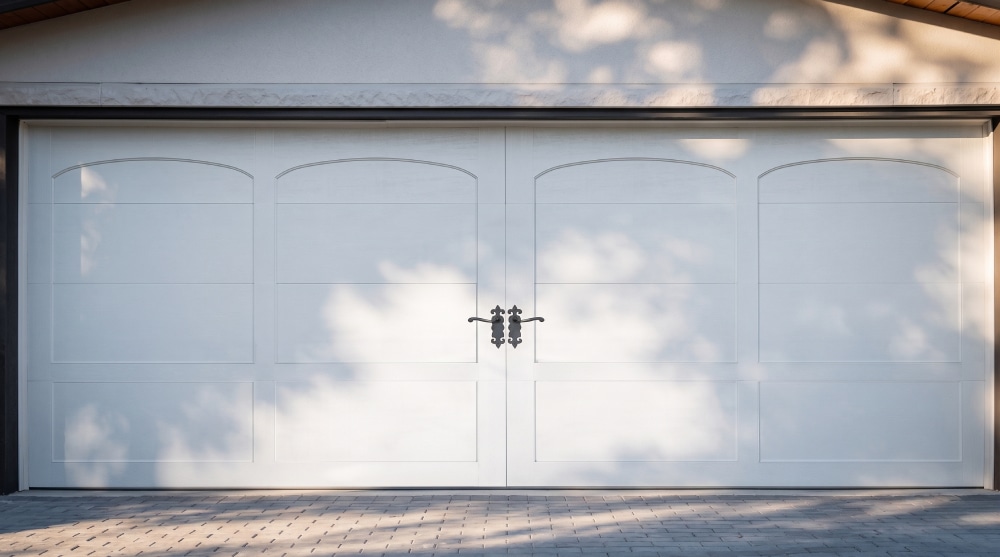
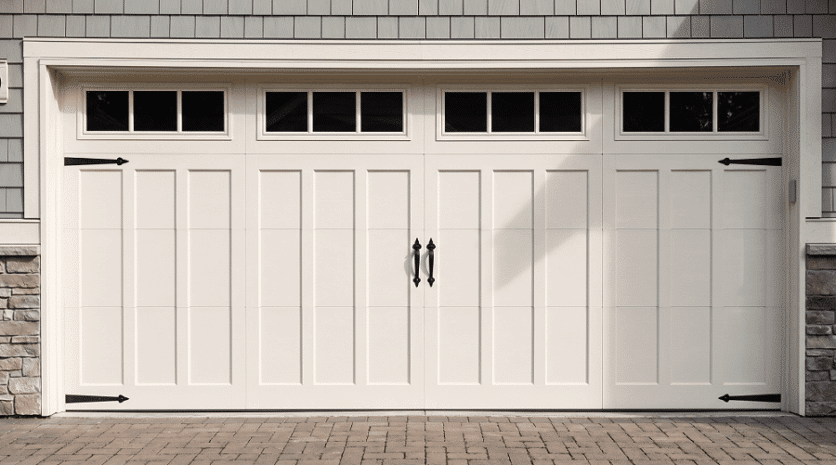
A garage door is one of those parts of a home that only gets real attention when it stops working, makes a racket at 6:30 in the morning, or refuses to close when a storm is rolling in. Yet the door itself is only part of the system. The accessories around it often decide whether the whole setup feels convenient, safe, and dependable, or frustrating and outdated.
If you are shopping for Garage Door Accessories Parker homeowners actually benefit from, it helps to think beyond the display rack or the first online listing that promises universal compatibility. Accessories can improve security, quiet operation, visibility, weather resistance, and day-to-day convenience. They can also waste money if they do not fit your opener, your door weight, your layout, or your habits.
The best buying decisions usually come from understanding how your garage is used in real life. A family with teenagers coming and going all day needs something different from a retiree who uses the garage mainly for storage. A detached garage has different priorities than one connected to the house. A garage that faces strong sun, wind, dust, or winter cold will put accessories under more stress than a sheltered setup.
That is why the smartest approach is not to ask, “What accessories are popular?” It is to ask, “What problems am I trying to solve?”
Start with the garage you actually have
Before you compare remotes, keypads, rollers, smart controllers, or lighting kits, take a clear look at your current system. Many homeowners skip this step, then end up buying products that almost work, but not quite. In my experience, that is where frustration starts.
A garage door system is a chain of connected parts. The opener, track, springs, rollers, hinges, sensors, weather seal, and wall controls all affect each other. An accessory that performs beautifully on a newer belt-drive opener may be a poor fit for an older chain-drive unit. Likewise, a premium smart controller will not make a noisy door quiet if the real problem is worn rollers or loose hardware.
Walk into the garage with the door closed and look at it like a technician would. Note the opener brand and model. Watch the door open and close. Listen for grinding, rattling, or banging. Check whether the bottom seal sits flush against the floor. Test the photo-eye sensors. Look at the remotes and wall console. Ask yourself a few practical questions. Do you want better access control? Less noise? Better insulation around the perimeter? More visibility at night? Easier entry without a remote? Those answers narrow the field quickly.
In Parker, this matters because garages do a lot of work. They store vehicles, tools, sports gear, seasonal decorations, and often serve as the main daily entrance to the house. When a garage door accessory fails, the inconvenience is immediate. When the right accessory is chosen, most people notice the difference every single day.
Not every accessory deserves equal attention
Some accessories are cosmetic or marginal. Others solve common problems so effectively that they are worth considering first. If you are trying to prioritize, these are the categories that usually offer the most practical value:
- wireless keypads for secure access without carrying a remote
- smart garage door controllers that let you check and operate the door from your phone
- upgraded rollers, especially nylon rollers, for quieter movement
- weather seals and threshold seals to block drafts, dust, and water
- motion-activated or opener-integrated lighting for better visibility and safety
Those five cover most of the issues homeowners mention first. The trick is choosing the right version, not just any version.
A keypad, for example, sounds simple. But some have better backlighting, more reliable buttons in cold weather, and easier programming. Smart controllers vary even more. Some are stable and useful. Others are finicky, drop offline, or require workarounds that are not worth the trouble.
Compatibility is where good purchases are won or lost
The biggest mistake people make with Garage Door Accessories Parker searches is assuming “universal” means universal enough. It often does not.
Garage door opener brands use different radio frequencies, rolling code systems, and accessory protocols. A remote that claims broad compatibility may need a specific learn-button color, production year range, or bridge device. Keypads can run into the same issue. Smart controllers are especially notorious for compatibility surprises. One may support your opener brand but not your wall console logic board. Another may need a sensor attachment because it cannot read door status directly.
Even accessories that do not seem electronic can present fit problems. Bottom seals come in different profiles. Threshold seals need a clean surface and proper spacing under the closed door. Rollers must match the stem length and track size. Decorative hardware should suit the construction of the door and not interfere with panel movement.
This is why model numbers matter. If you are buying online, do not stop at the product title. Read the compatibility notes carefully. Check installation guides before purchasing. If anything feels vague, treat that as a warning sign.
A homeowner I once advised had bought three separate remotes from different sellers because each listing said it worked with “most major brands.” None paired properly with the older opener mounted in the garage. The cost of the trial and error ended up higher than just ordering the correct matched remote from a local supplier in the first place. That happens more often than most people realize.
Think local conditions, not just product specs
Shoppers often focus on advertised features and miss the environmental conditions accessories have to survive. In Parker, seasonal swings matter. Heat, cold, wind-driven dust, and moisture all affect performance over time.
Rubber and vinyl seals can stiffen, crack, or flatten. Outdoor keypads need weather resistance that is more than marketing language. Battery life matters more when temperatures fluctuate. Motion lights in garages should respond consistently, not just in ideal indoor conditions. Adhesive-backed products can fail early if installed on dusty or poorly prepared surfaces.
A threshold seal is a good example. On paper, it is a basic accessory. In practice, it can make a substantial Garage Door Accessories Parker difference if your garage takes on water during rain or snowmelt, or if dust and leaves blow under the door. But the right one depends on the floor condition. If the slab is uneven or the door is out of level, even an expensive threshold will not seal properly without correcting the door alignment first.
The same goes for weatherstripping. If daylight is visible around the sides or top of the closed door, new perimeter seal may be a better investment than another remote or gadget. It is not glamorous, but it pays off in comfort, cleanliness, and pest control.
Quiet operation is often an accessory issue, not an opener issue
People are quick to blame the opener when a garage door becomes noisy. Sometimes they are right. More often, the racket comes from worn rollers, dry hinges, loose fasteners, or metal-on-metal contact that has built up over time.
Upgrading from old steel rollers to quality nylon rollers can change the sound of a door dramatically. It will not turn a rough, unbalanced door into a whisper-quiet machine, but it can cut down a lot of the clatter. For attached garages, especially those below bedrooms or beside living spaces, this is one of the most noticeable improvements you can make.
That said, quieter is not always better if it comes at the expense of durability or proper load handling. Heavier doors need components rated for their size and use cycle. A cheap roller kit may look fine at installation and wear out quickly. This is one of those areas where buying professional-grade hardware usually makes sense.
If noise is your main complaint, resist the temptation to buy several accessories at once. Diagnose the source first. A smart controller does not fix track vibration. New LED bulbs do not stop hinge squeak. Spend where the problem actually lives.
Security features are worth a closer look
Garage access is often treated more casually than front-door security, which is a mistake. Many people leave a remote in an unlocked vehicle, use obvious keypad codes, or never review who has access to the garage after moving in. Good accessories can tighten security without making life less convenient.
Modern remotes and keypads should use rolling code technology or equivalent secure communication, rather than fixed codes. Keypads should allow easy code changes and ideally support temporary or guest access if that feature fits your routine. Smart controllers can be excellent for security because they provide open and close alerts, activity history, and remote status checks. If you have ever driven away and wondered whether the garage door closed, that feature alone can justify the upgrade.
Still, more technology means more setup and more points of failure. A homeowner who rarely uses smartphone apps may be better served by a dependable keypad and an upgraded wall console than by a full smart platform. Security works best when the system matches the user. The most advanced setup in the neighborhood is not safer if no one in the house uses it correctly.
Where to shop in Parker without guessing
When people search for Garage Door Accessories Parker options, they usually end up choosing among three paths: local garage door companies, home improvement stores, and online retailers. Each has strengths and trade-offs.
Local specialists tend to offer the best fit for opener compatibility, installation advice, and professional-grade parts. If you have an older opener, an unusual door setup, or a problem that is not fully diagnosed, this is often the safest route. You may pay a bit more upfront, but you are less likely to buy the wrong item.
Home improvement stores are useful for basic accessories such as weather seal, lubricant, keypads for common opener brands, and generic hardware. The challenge is that stock can be broad but not deep. The product you need may be adjacent to several that look similar and are not interchangeable.
Online retailers offer the widest selection and often the best price range. They are excellent when you know the exact model or part number. They are less forgiving when you are guessing. Returns are part of the process, and that process has a cost, even if it is not always shown on the receipt.
If you are not sure which path fits your situation, use this short filter:
- buy local when compatibility is unclear or installation affects safety
- buy in store when you need a common accessory the same day
- buy online when you have confirmed the exact model and dimensions
- avoid no-name products with vague specifications or thin instructions
- compare warranty terms, not just the shelf price
That last point matters. Two accessories can look almost identical and differ sharply in service life. A keypad with sealed buttons, decent battery life, and responsive support is worth more than one that saves fifteen dollars and fails after a single season.
Installation should match the risk
Some accessories are straightforward. Others touch systems that deserve caution. Homeowners can usually handle keypad programming, remote pairing, weather seal replacement, threshold installation, and some smart controller setups with basic tools and patience. Roller replacement, sensor rewiring, opener accessories tied into logic boards, or anything involving door balance is different territory.
Garage doors carry weight, spring tension, and pinch hazards that people underestimate. If an accessory upgrade pulls you into spring adjustments, cable concerns, or track alignment, that is a strong sign to stop and call a professional.
Even relatively simple installations go better when the prep work is done properly. A threshold seal needs a thoroughly cleaned and dry floor. A keypad should be mounted at a practical height and location, not just where the siding is easy to drill. Smart controllers need stable Wi-Fi coverage in the garage. LED bulbs for opener systems should be chosen carefully because some standard LEDs create radio interference with remotes, a maddening issue if you have never run into it before.
That last problem surprises people. The garage door worked fine, then a bulb was changed, and suddenly the remote range became inconsistent. It sounds far-fetched until you see it happen. Small details matter with garage accessories.
How to judge quality when everything looks similar
Garage door accessories are one of those categories where mediocre products can look convincing in a photo. To sort the good from the forgettable, pay attention to a few practical indicators.
First, examine the installation documentation. Good products come with clear instructions, wiring diagrams if needed, and precise compatibility notes. Sloppy documentation usually predicts a sloppy ownership experience.
Second, look at the materials. Soft plastic Garage Door Accessories Parker housings, weak battery doors, thin gaskets, and light-duty adhesives are often signs of short service life. For weather-related products, material resilience matters more than flashy packaging.
Third, read reviews for patterns, not star ratings alone. A product with mostly positive reviews but repeated complaints about pairing issues or degraded buttons after six months tells you something useful. Ignore one-off rants. Respect recurring failures.
Fourth, consider support and replacement availability. A remote is not a great deal if it is impossible to reprogram cleanly or replace later. Established brands and reputable local dealers usually make ownership easier.
Finally, use common sense about pricing. The cheapest accessory in the category is rarely the best value, especially for parts used every day. On the other hand, premium pricing does not automatically mean premium performance. The sweet spot is usually the product that solves the right problem reliably, with no extra complexity you will never use.
Matching accessories to real household routines
The best choices become obvious when you picture a normal week at home.
If children walk home from school and need access before a parent gets back, an outdoor keypad is often more practical than extra remotes. If multiple adults leave at different times, a smart controller with status alerts can reduce “Did you close it?” calls. If someone in the house works early or late, quiet rollers and better lighting improve daily comfort. If the garage doubles as a workshop, perimeter seal and threshold protection may matter more than app control.
I have seen homeowners spend money chasing convenience features, then ignore the basic accessory that would have improved the space most. One family added smartphone control, two new remotes, and decorative hardware, yet still dealt with blowing debris because the side weather seal had hardened and pulled away from the frame. Fifteen minutes of inspection would have put that problem near the top of the list.
That is the practical mindset to keep. Treat accessories as tools, not trophies.
When it makes sense to upgrade the system instead
There is a point where accessory shopping becomes a workaround for a bigger issue. If the opener is aging, the safety sensors are inconsistent, the door is badly out of balance, and compatibility with modern accessories is limited, replacing the opener or servicing the full system may be the better financial move.
This comes up often with older units. A homeowner may try to add a keypad, smart module, fresh remotes, and upgraded lighting to squeeze more life out of a system that is already near the end of its useful run. Sometimes that is reasonable. Sometimes it is money layered onto a weak foundation.
A good local technician can tell you quickly whether accessories are the right path or whether the garage door system itself needs attention first. That advice is especially valuable if your goal is reliability, not just a new feature.
Making the right call in Parker
Finding the best Garage Door Accessories Parker homeowners can count on is less about chasing the newest option and more about buying with context. Know your opener. Know your door. Know how the garage is used. Focus on accessories that solve actual problems, improve safety, and hold up under local conditions.
For some homes, the best purchase is a keypad that works every day without fuss. For others, it is quieter rollers, a solid weather seal, or a smart controller that removes daily uncertainty. The common thread is fit. The right accessory feels almost invisible once installed because it does its job so well.
If you shop carefully, verify compatibility, and resist impulse buys dressed up as must-have upgrades, you can build a garage setup that is safer, quieter, and easier to live with for years. That is the standard worth aiming for.
Select Garage Doors
11479 Pine Dr
Parker, CO 80134, United States
Phone: (303) 228-0018
FAQ About Garage Door Accessories Parker
Where can I find garage door accessories?
Garage door accessories are available from garage door service companies, authorized dealers, home improvement stores, and specialist suppliers. Select Garage Doors supplies and installs accessories for homeowners in Parker, including compatible remotes, wireless keypads, weather seals, and smart controls. Check your opener model and door specifications before choosing a replacement or upgrade.
How to make a garage door more attractive?
Cleaning the door, refreshing a manufacturer-approved finish, and choosing coordinated decorative handles or hinge accents can improve its appearance. Compatible window inserts may also change the look of an existing window section. Match accessories to the door material and style, and make sure added hardware does not interfere with movement, seals, or safety equipment.
Where can I buy garage door inserts?
Decorative window inserts can be sourced through the door manufacturer, an authorized garage door dealer, or a supplier that carries parts for your specific door series. Match the model, window frame dimensions, and attachment system; inserts are not universally interchangeable. Ask a professional to confirm compatibility before ordering, especially if the work involves glass or changes to a door section.